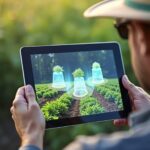
As someone working closely with agricultural systems in Sub-Saharan Africa (SSA), I have witnessed firsthand how deeply farmers rely on rain-fed agriculture and how dangerously exposed that leaves them.
We are at a critical juncture in our region’s agricultural future. Over 90% of all farming activities here depend entirely on rainfall.
When the rain comes late, or not at all, the consequences are immediate: crop failures, empty markets, rising food prices, and deepening rural poverty. These shocks are no longer occasional; they are becoming the norm.
Rain-fed agriculture is the backbone of food production in SSA, and it is now under greater pressure than ever before. The triple threat of climate change, degraded soils, and poor water management is accelerating a crisis that puts millions of livelihoods at risk.
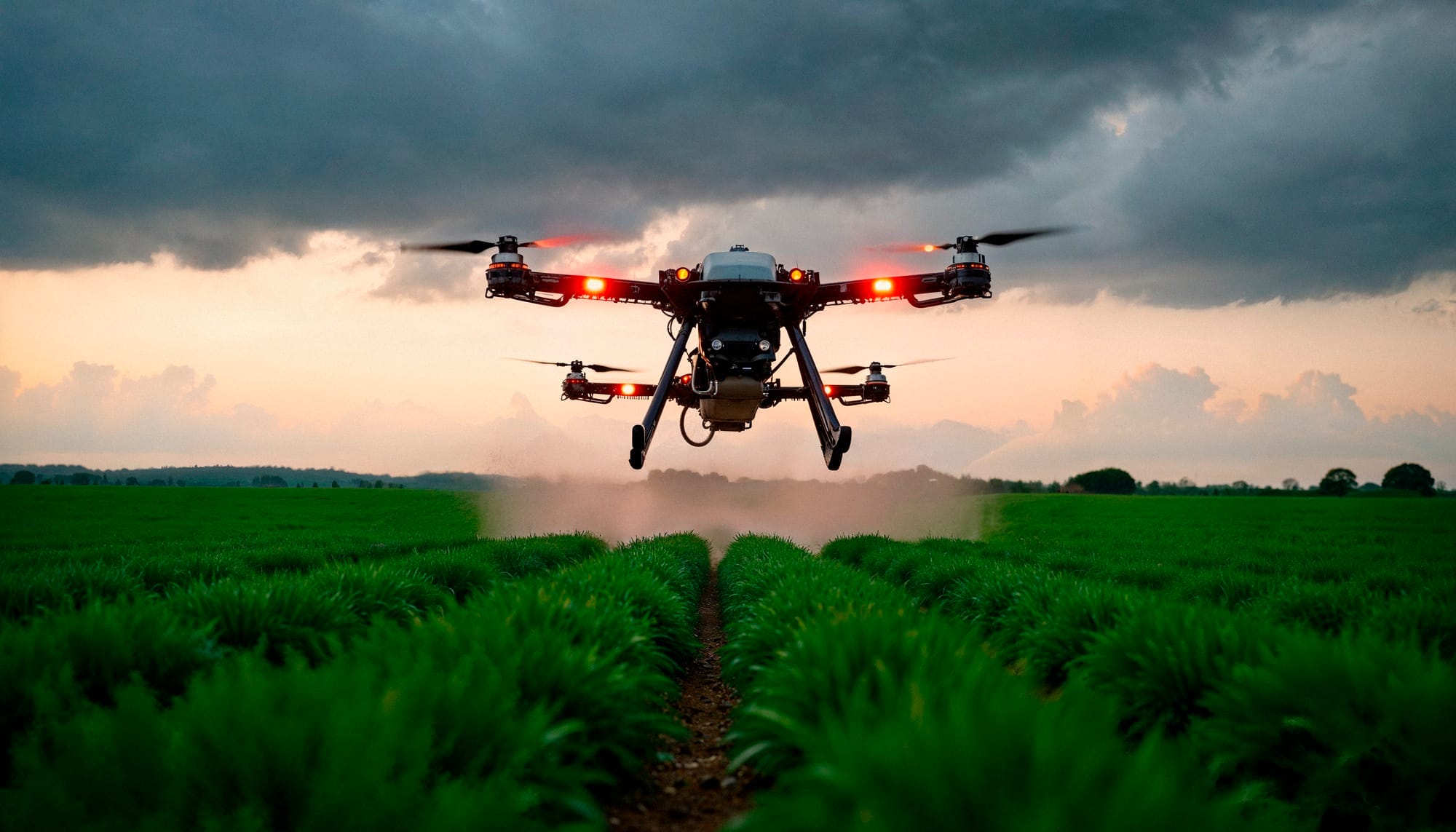
- How AI marketplaces are connecting farmers to global buyers
- Ground-Level Insights into Sub-Saharan Africa’s Agricultural Challenges: Unpacking Four Key Drivers of Food Insecurity – AgriFocus Africa
- Sub-Saharan food security: Why youth still reject farming as business
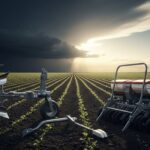
- A Field-Based Perspective on Sub-Saharan Africa’s Agriculture Crisis: Exploring the Four Critical Dimensions that are Driving Food Insecurity
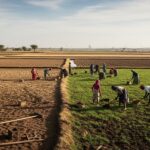
- Should Africa Embrace Genetically Modified Organisms (GMOs) to Achieve Food Security and Agricultural Transformation?