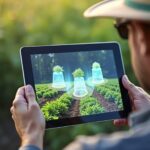
Crop diseases and pests are among the most significant threats to global agriculture today. According to the Food and Agriculture Organisation (FAO), these biological adversaries are responsible for destroying up to 40% of global crop yields annually, inflicting losses of over $220 billion. That’s not just numbers; it’s food off our plates, income lost for millions of farmers, and an escalating risk to food security worldwide. From locust invasions in Africa to fungal outbreaks in Asia, the agricultural landscape is under siege. What makes matters worse is that many of these threats go undetected until they’ve already caused substantial damage. Manual scouting is labour-intensive, prone to error, and simply not scalable across vast farmlands. Traditional pesticides, while effective, are often misused, applied too late or too broadly, causing environmental harm and building pest resistance. This agricultural crisis calls for innovation. Enter artificial intelligence (AI) and drones, technologies once reserved for sci-fi films, now reshaping the real-world farming experience.
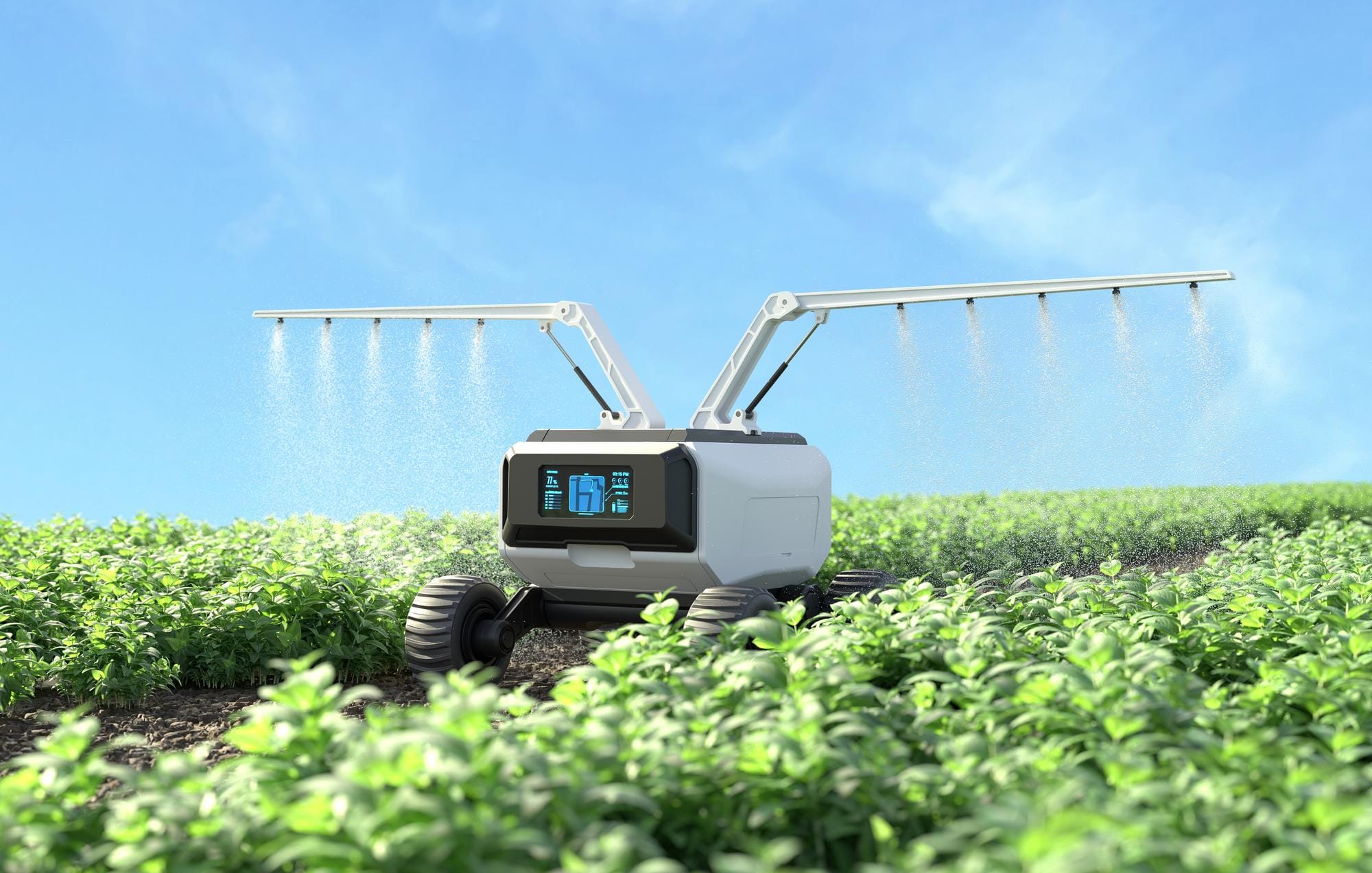
- How AI marketplaces are connecting farmers to global buyers
- Ground-Level Insights into Sub-Saharan Africa’s Agricultural Challenges: Unpacking Four Key Drivers of Food Insecurity – AgriFocus Africa
- Sub-Saharan food security: Why youth still reject farming as business
- A Field-Based Perspective on Sub-Saharan Africa’s Agriculture Crisis: Exploring the Four Critical Dimensions that are Driving Food Insecurity
- Should Africa Embrace Genetically Modified Organisms (GMOs) to Achieve Food Security and Agricultural Transformation?